


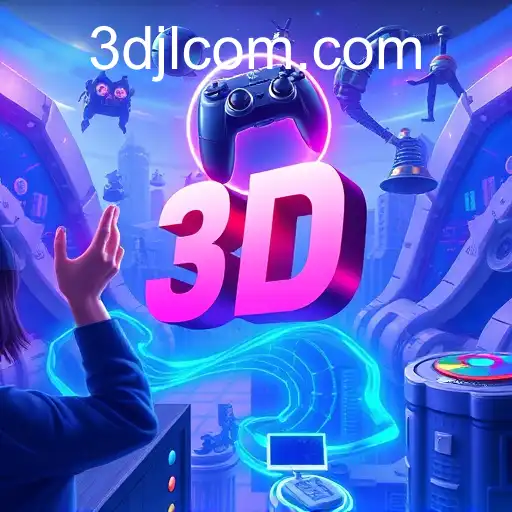
Explore the transformative impact of 3D gaming on online platforms, with a focus on technology advancements and player engagement.
The digital realms of gaming have experienced a revolutionary shift over the past decades. 3D gaming, which initially emerged as a novel concept, has now taken the center stage, reshaping how players interact with virtual environments.
In recent years, the term '3D JL' has become a buzzword among gaming enthusiasts and developers alike. This refers to cutting-edge 3D games that utilize advanced graphics technology to create immersive virtual worlds. These games have expanded the boundaries of reality, offering players not just entertainment, but a full-fledged experience that engages multiple senses.
As of 2025, many online game platforms have embraced 3D technology, allowing players to dive into expansive, more luscious environments. These platforms often feature user-friendly interfaces that enhance the gaming experience, making it accessible to players of all skill levels. Technology advancements in graphics processing units (GPUs) and faster internet speeds have also played a pivotal role in the seamless integration of 3D components into web platforms.
The surge in virtual reality (VR) compatibility has further accelerated this trend. Gamers are now able to use VR headsets to navigate these 3D landscapes, adding another layer of realism to their gaming journey. Developers continue to innovate, creating games that adapt and respond dynamically, providing endless possibilities and boosting user engagement.
Reports indicate that this evolution in gaming technology has also opened new avenues for community building. Online forums and social media platforms are abuzz with discussions as players share insights and experiences, enhancing the communal aspect of gaming. These interactions underscore how 3D gaming has not only transformed individual experiences but also facilitated a global community of gamers.
Looking ahead, industry experts predict that the dominance of 3D gaming will only continue to grow. With future innovations on the horizon, such as improved AI integration and haptic feedback technology, the virtual gaming world is poised to become even more interconnected and thrilling. As 3D JL games continue to evolve, the line between virtuality and reality becomes increasingly blurred, leaving players eagerly anticipating the next adventure.
In conclusion, 3D gaming stands as a testament to the power of technological progression in shaping the future of online interactivity. It is a dynamic field that is constantly evolving, promising endless entertainment and new forms of engagement for gamers around the world.

